
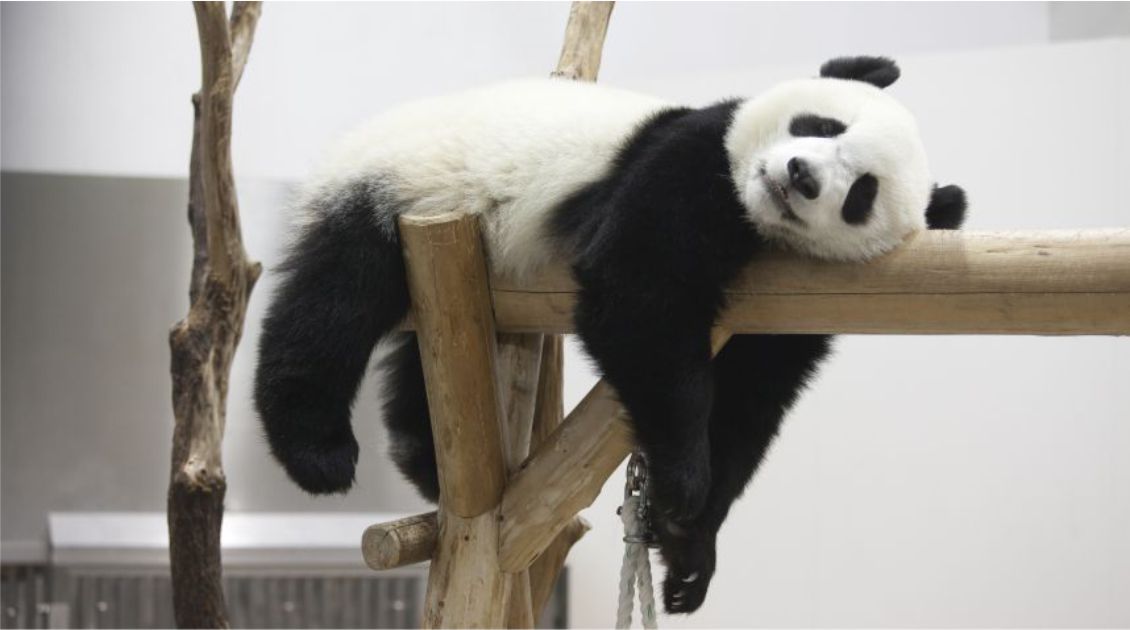
My name, Qīngsōng, is the Chinese word for relaxed. True to my name, I focus on staying calm on the job despite zoo visitors photographing and critiquing my every move. It’s not easy to be charmingly entertaining while constantly on display. Over the years, I developed thick fur over my thin skin, so here are my tips for easing stress at work so I can work at peak performance.
Work Smart, not Hard.
Unlike pet dogs who chase their tails or caged hamsters who run nowhere on a wheel, I conserve my limited time and energy by prioritizing and planning. Each day, I prepare a list of tasks ranked in order of importance and formulate a brief plan for accomplishing the top ones. A plan may include proper tools, researched information, time estimates, and focused procedures.
Use Your Most Productive Time of Day to Do Tough Stuff.
Roosters accomplish most at dawn, while owls tend to thrive after dusk. I perform best in the early afternoons when zoo visitors abound. At other times, I keep it simple – okay, I usually take a nap.
Identify and Reduce Time Wasters.
Every so often, I log my activities for one week to see how I spend my time. That’s when I realize how much time I waste watching visitors playing on their cell phones. If TikTok eats up too much of your life, set a timer for a half hour and move on to something more productive after you’re finished.
Take Frequent Breaks.
Every hour, I lumber a few yards to grab a snack. Unlike the polar bears who opt for marshmallows, I choose a healthier option – bamboo shoots. I fall into a deep slumber at lunchtime after taking some slow, deep breaths. When my trainer scolds me about downtime, I growl that my frequent breaks enhance my productivity because I remain focused. Unable to argue, my trainer retreats.
Dump the Excuses.
Workers excel when they spend more time doing their jobs and less time making excuses about not doing their jobs. Tell that to the male lions lazing in the shade. Rest when you need to rest, but work when you need to work – that’s why my trainer allows me frequent breaks.
Stop Procrastinating.
Procrastination causes stress – period. When facing a challenging tree to climb, I use the five-minute rule. For five minutes, I pursue a task. If it seems unbearable to continue after five minutes, I stop and try again later. I typically spend my first five-minute session simply assessing the branches I need to negotiate. If the climb seems impossible, I ponder it for a while and study the tree again on another day. I keep returning to the tree for five minutes (assessing, problem solving, practice steps) until I eventually master the tree.
Strive for Excellence.
Forget about perfection because it’s just an illusion. Of course, don’t tell that to the swans who love to view their reflections in the pond. Set a reasonable standard in proportion to the importance of the task.
Don’t Take It Personally.
Visitors thrive on criticizing the panda bears for being lazy. Although I pay attention to feedback that helps me improve my work performance, I ignore the rest. Who cares? What do visitors know about pandas anyway? Worrying about this stuff just wastes time.
Ask for Help.
Get along well with your coworkers, colleagues, and bosses so they can help you in your time of need. Trust me. Plenty of narcissists are in the zoo business, and the best way to get along with them is to stroke their coats, compliment them, and credit their contributions at every opportunity. Then, they will look forward to offering assistance.
Learn to Say “No!”
Don’t make empty promises. When I don’t want to deal with a particular trainer or perform a ridiculous task, I don’t do it. If my trainers insist, I suggest an alternative solution that does not add to their workload.
Focus on What is in Your Control.
Take care of your den; keep your space tidy by not letting tasks build up. Let bosses and coworkers worry about their responsibilities. Don’t waste energy getting mad about dead-weight employees; if the bosses don’t care, why should you?
Keep Work at Work.
Simple! Just turn off the work cell phone after work hours – unless it’s a life-threatening emergency (or close to it).
Minimize Chit Chat During the Work Day.
I pay no mind to the zebras’ silly chatter about the giraffes. The zebras are just jealous of the giraffes’ long necks. You never hear me spread rumors about the trainers bearing down on the elephants since I keep my opinions to myself. Consequently, I maintain better work relationships and enhance productivity. When zoo hours are over, I’m happy to socialize.
Make Use of Down Time.
Always keep some mindless busy work on hand for those interminable waits in the vet’s office, long hold times on the phone, chatbot encounters, and those waste-of-time Zoom meetings (just make sure it looks like you’re paying attention and taking notes).
Optimize Strengths and Delegate Weaknesses
Each week, I devote a couple of hours to perfecting my tree-climbing skills. Sometimes, I get a little coaching from one of the chimpanzees in the neighboring exhibit. When I need supplies from the zoo storage building, I ask my quick cheetah friends to run my errands. This way, I avoid burnout, or worse, being placed on a “PIP” (Performance Improvement Plan), which often serves as a warning that you’re about to be fired.
Have fun at Work!
If you don’t like your job, find one you want. That’s even obvious to a bear! Check out this website for ideas.
I know my job is in a zoo, not a large corporation, but my executives worry about bottom lines, too. We, animals and humans, need to rethink our relationships to work to stay healthy, creative, and productive.
Okay, I wrote enough—time for a nap.
The blog post image is under license from Shutterstock.com.
Author: Jessica Loftus, a seasoned clinical psychologist and national certified career counselor, provides counseling at her practice in Palos Heights, IL. Email her at jesiphd@gmail.com if you have questions.
 Easy Ways to Ease Stress